Modernhead: A Serif Font for Digital Design
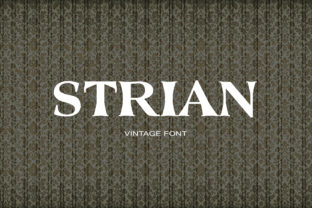
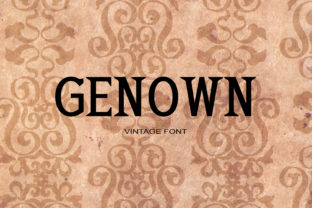
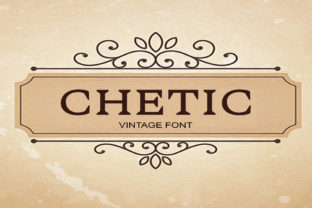
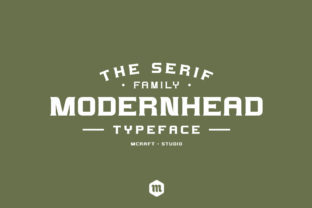
Working on a boutique online store’s homepage, I needed a font that could add character without overwhelming the design. Modernhead, a classic serif typeface with a vintage feel, caught my eye. It had the elegance of traditional typography but with a modern edge that felt right for a contemporary brand.
The first thing I noticed was how it balanced structure and warmth. The serifs were clean but not overly ornate, giving it a timeless quality. When I placed it over a soft background image, it didn’t clash—it complemented the visuals, adding a touch of sophistication that made the design feel more polished.
Visual Characteristics and Personality
Modernhead has a distinct personality. It feels confident yet approachable, making it ideal for brands that want to communicate both style and reliability. Its letterforms are slightly condensed, which helps in tight spaces like buttons or short headlines. This makes it great for digital layouts where space is at a premium.
The font’s subtle variations in stroke weight give it a handcrafted feel, which is perfect for creative portfolios or artisanal product pages. It doesn’t scream for attention but commands it when needed. In a hero section, it stood out as a strong headline without overpowering the rest of the content.
Real-World Applications
I used Modernhead for a coaching website’s header, where it paired well with a simple sans serif for body text. The contrast between the two fonts created a clear visual hierarchy, guiding users through the page without confusion. It also worked well on a course sales page, where it added a sense of authority to the main title while keeping the overall look professional.
On mobile screens, Modernhead held up surprisingly well. The characters were sharp enough to read at smaller sizes, especially when used for headings. I tested it on dark backgrounds and light ones, and in both cases, it maintained good legibility. For image overlays, I kept the text size small and used a semi-transparent background to ensure it remained readable.
Readability and User Experience
Readability was a key concern, especially for longer paragraphs. While Modernhead isn’t designed for body copy, it works beautifully as a display font. I found that using it for subheadings and call-to-action buttons helped reinforce the brand’s identity without sacrificing usability.
When designing a product landing page, I used Modernhead for the main headline and a few supporting lines. It added a layer of visual interest that made the page feel more dynamic. However, I avoided using it in large blocks of text, as it can be harder to scan compared to simpler fonts.
Font Pairing and Brand Consistency
Pairing Modernhead with a clean sans serif like Roboto or Open Sans created a balanced look. The contrast between the two fonts made the design feel more intentional, allowing the serif to shine as a highlight rather than a distraction. This pairing worked well across different sections of a website, from blog headers to navigation menus.
For a digital brand kit, I used Modernhead in logo design and social media graphics. Its vintage appeal gave the brand a unique voice, while its versatility ensured it could be used across multiple platforms without losing its identity. I also explored multilingual support, and it handled non-Latin characters with ease, which was a big plus for an international audience.
Practical Considerations
Before integrating Modernhead into a project, I always check the available styles, webfont formats, and licensing options. It’s important to make sure the font is optimized for fast loading, especially on mobile devices. I also look for alternate characters and weights to give myself more flexibility in design decisions.
Modernhead’s commercial license allowed me to use it across client projects and online stores without worrying about restrictions. This made it a reliable choice for a variety of digital products, from landing pages to email templates.
Overall, Modernhead is a versatile serif font that brings a touch of vintage charm to modern web design. Whether you’re building a creative portfolio, a boutique store, or a coaching site, it offers a refined aesthetic that can elevate your brand’s visual identity. With careful use and thoughtful pairing, it can become a key element in your design toolkit.