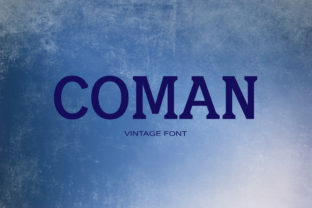
Conist: A Vintage Font for Professional Branding
As a small business owner, choosing the right font is one of the simplest yet most impactful decisions you can make. Conist is a vintage serif font that brings a timeless elegance to your brand materials. Whether you're designing a logo, creating social media posts, or crafting packaging, Conist adds a touch of sophistication that helps your business stand out.
What makes Conist special is its classic feel and refined appearance. It’s not just a font—it’s a design element that communicates trust, quality, and attention to detail. For businesses aiming to create a consistent and professional look, Conist offers a versatile tool that works across multiple platforms and formats.
How Conist Enhances Brand Consistency
Consistency is key in branding. When your business uses the same font across all materials—logos, website headers, product labels, and social media graphics—it becomes instantly recognizable. Conist helps maintain that visual harmony without sacrificing style.
Imagine using Conist for a bakery’s logo and then again on the back of a custom cookie box. The same font used in both places creates a cohesive brand identity. This consistency builds familiarity, which is essential for customer retention and brand loyalty.
Real-World Applications of Conist
Conist isn’t limited to just logos. It works well as a display font for headlines, banners, and promotional materials. For example, a handmade candle brand could use Conist on product labels to evoke a sense of artisanal craftsmanship. A boutique might use it for a store sign or in-store signage to create an elegant, inviting atmosphere.
On digital platforms, Conist can be used for Instagram post titles, Pinterest pins, and website banners. Its readability on mobile screens ensures that your message remains clear even when viewed on smaller devices. This makes it ideal for social media content that needs to grab attention quickly.
When to Use Conist
Conist shines as a headline or logo font due to its strong visual presence. However, it also works well as an accent typeface when paired with more neutral fonts. For instance, a coaching business might use Conist for a header on a landing page while pairing it with a clean sans serif font for body text.
It’s important to consider where and how you’ll use Conist. As a display font, it’s best for short phrases or headings. For longer text, it may not be the most readable option. Always test the font in the context where it will be used—whether it’s a printed menu, a packaging label, or a digital ad.
Testing Conist Before Full Implementation
Before committing to a font for your entire brand, it’s wise to test it in different scenarios. Create a sample logo, draft a few social media posts, and print a mock-up of a product label. This helps you see how Conist performs in real-world conditions.
Pay attention to how it looks in small sizes, such as on a product tag or a business card. Also, check how it appears on different backgrounds and lighting conditions. These tests ensure that Conist enhances your brand rather than hinders it.
Pairing Conist with Other Fonts
Font pairing is a powerful way to balance style with readability. Conist pairs beautifully with modern sans serif fonts like Helvetica or Roboto for a clean, professional look. Alternatively, it can be paired with a script or handwritten font to add a personal touch to your designs.
For example, a café owner might use Conist for the main menu title and pair it with a simple sans serif font for the item descriptions. This combination keeps the menu easy to read while maintaining a stylish aesthetic.
Commercial Licensing and Practical Use
When using Conist for commercial purposes—such as on product packaging, client work, or digital downloads—it’s important to check the licensing terms. Make sure you have the proper rights to use the font across all your business materials.
Many premium fonts come with specific usage guidelines, so always review these carefully. If you’re unsure, reach out to the font provider for clarification. Proper licensing protects both your business and the designer’s work.
Conist in Action: Business Examples
Let’s say you run a small online shop selling skincare products. Using Conist on your product packaging and website headers gives your brand a polished, trustworthy appearance. It conveys that your products are crafted with care and attention to detail.
Another example is a boutique owner who uses Conist for their logo and in-store signage. The font’s vintage charm aligns with the store’s aesthetic, making it feel more authentic and appealing to customers.
Even service-based businesses, like a life coach or a fitness trainer, can benefit from Conist. It adds a professional edge to their website, social media bios, and marketing materials, helping them build credibility with their audience.
Final Thoughts on Conist
Conist is more than just a font—it’s a design asset that can elevate your brand’s visual identity. Its vintage appeal and classic structure make it a versatile choice for small businesses looking to create a cohesive, professional look across all materials.
Whether you’re launching a new brand or refining an existing one, Conist offers the right balance of style and functionality. With thoughtful application and proper testing, it can become a key part of your brand’s visual language.